




























On December 18, 2021, I was diagnosed with Type 1 Diabetes. For months, I had been feeling unwell, completely unaware that my symptoms were related to this condition. When I visited urgent care, I was dazed from illness and exhaustion. It wasn’t until the nurses performed a blood sugar finger prick that I realized the severity of my situation. When I saw that my blood sugar level was nearly 500 (while the normal range is between 65-120 mg/dL), I noticed the nurses’ shocked and concerned expressions, and I understood that this simple test had saved my life.
What is Type 1 Diabetes?
Type 1 Diabetes is an incurable autoimmune disease that affects the pancreas. It most commonly develops in early childhood, typically between the ages of six and 14 years. This is why it was previously referred to as Juvenile Diabetes, as it is often diagnosed in children. The exact cause remains unknown, though genetics and exposure to certain viruses may play a role. Over time, the immune system, which normally protects the body against illnesses, begins to mistakenly identify the beta cells (which produce insulin) in the pancreas as harmful. This leads to damage to these harmless cells, resulting in the disruption and eventual termination of insulin production. Therefore, Type 1 Diabetes is classified as an autoimmune disorder because the body is essentially attacking itself.
How did you get Type 1 Diabetes?
It is not due to unhealthy eating habits or a lack of exercise. Autoimmune diseases can affect anyone, regardless of how well they take care of themselves. These conditions typically occur in individuals with a family history of autoimmune diseases, but they can also be triggered by a simple virus that triggers an immune response. I have a family history of autoimmune diseases, including Type 1 Diabetes and Vitiligo. However, it is important to note that some people can develop Type 1 Diabetes without any family history.
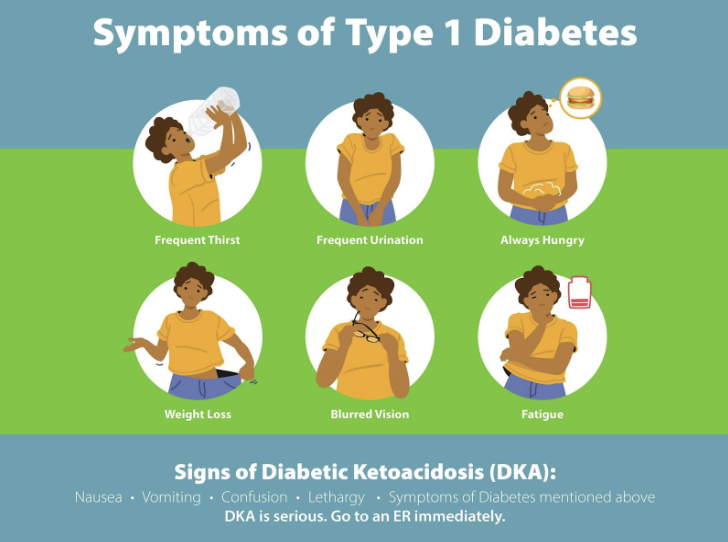
What are the Symptoms?
- Frequent Thirst
- Frequent Urination
- Always Hungry
- Unexplained Weight Loss
- Blurred Vision
- Fatigue
If you often experience these symptoms, it’s crucial to seek medical attention and have your blood sugar levels checked. Always stay aware of your symptoms and occasionally monitor your blood glucose levels to ensure you are not at risk. If you have a sibling, parent, or other family members with Type 1 Diabetes, there are blood tests available that can detect antibodies associated with Type 1 Diabetes. This testing can help identify the onset before your symptoms worsen and complications arise. Remember, a simple blood glucose test can save a life. It certainly saved mine.
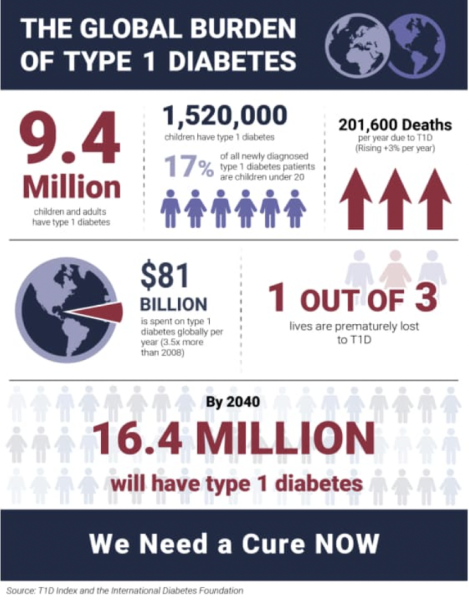
Some Statistics:
Resources:
Pathway to Prevention | Type 1 Diabetes TrialNet



Hazel Hine • Dec 1, 2025 at 1:45 pm
Thanks for letting us know!! You’re great, Lucy!!